Module 03 · Building
Grounds, pitches and conditions
Two teams can play the same plan at two grounds and get opposite results. This module teaches you to read the ground before the toss: the soil under the pitch, the moisture in the air, the shape of the boundary and the direction of the breeze.
1. Why the ground is a tactical input, not scenery
In a twenty-over innings there is no time to work out the surface as you go. Sides arrive with a plan built on what the ground has historically done and adjust it in the first few overs. Your job as a viewer is the same: form a hypothesis before the first ball, then let the cricket correct you.
Three variables carry most of the weight. The pitch decides how much the ball deviates and how fast it comes off the surface. The atmosphere — heat, humidity, evening moisture — decides whether the ball skids or grips as the match goes on. The ground shape decides which shots pay. Everything else is detail.
2. Reading the surface: black soil and red soil
Indian squares are broadly prepared on two families of soil, and the distinction is genuinely useful.
Black soil has a high clay content. It holds together and tends to produce slower, lower bounce, and as the surface dries and loosens it can help spin significantly. Batting on it often means the ball arrives a fraction later than expected, which punishes pre-meditated hitting and rewards playing late with soft hands.
Red soil generally offers more bounce and a truer carry. The ball comes through at a more consistent height, which suits stroke-play through the line and gives seam bowlers a chance to be hit with pace on the ball but also to beat the bat with genuine carry.
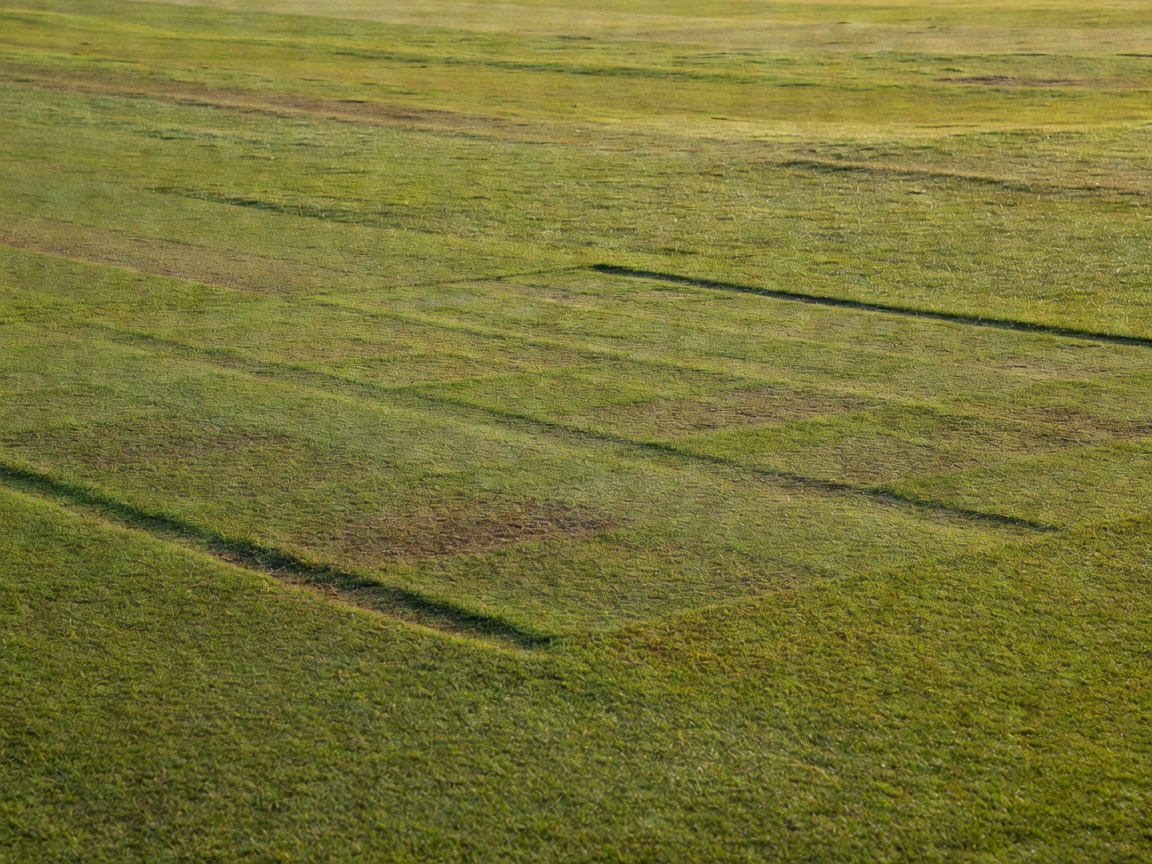
Two more surface signals are worth looking for on the broadcast. Grass cover on the pitch usually means the seam has something to work with early. Cracks and a dry, dusty look at the ends suggest that grip will increase as the match goes on. Neither is a guarantee; both are evidence.
3. Evening starts, dew and the second innings
Most matches in this competition are played into the evening under lights, and that creates a phenomenon that domestic day cricket does not have. As temperature falls, moisture can settle on the outfield and the pitch. The practical effects of dew are consistent: the ball becomes harder to grip, so finger spin loses bite and slower balls become harder to execute; the ball skids rather than gripping off the surface; and the outfield gets faster because the wet grass offers less resistance.
That is why captains at some venues want to bowl first and chase, and why you will see towels, sawdust and repeated ball-drying in the second innings. Dew is not universal — it depends on the city, the humidity and the time of year — so treat it as a question to ask, not an answer to assume. Listen to what the captains say at the toss, because they will usually tell you whether they expect it.
4. Boundary shape, wind and shot selection
Cricket grounds are not required to be circular, and the ones in use in India are noticeably different from one another in shape. Where the straight boundaries are relatively short, the lofted straight drive and the slog over long-on become the highest-value shots, and bowlers respond by attacking the wider lines. Where the square boundaries are shorter, the pull, the cut and the sweep pay better, and you will see bowlers pushing the ball fuller and straighter.
Wind is the quiet variable. A breeze across the ground turns one side into the shorter effective boundary and the other into a graveyard for mishits. Bowlers who can bowl into the wind — and captains willing to use them there — are worth more than they look on paper. Watch which end the quicker bowlers are given in the closing overs; it is often the wind, not the pitch, that decides.
5. The character of well-known Indian venues
Below are grounds that have long hosted major cricket in India. Treat these as traditional reputations, not fixed properties: curators change preparation and squares are relaid.
- Wankhede Stadium, Mumbai. A coastal ground where a sea breeze is part of the conversation, and a square with a reputation for true bounce and quick scoring.
- Eden Gardens, Kolkata. One of the oldest and most famous grounds in the country, known as much for the noise of a full house as for its cricket, and traditionally a place where spin has mattered.
- M. A. Chidambaram Stadium, Chennai. Hot and humid, with a long-standing reputation for surfaces that grip and reward patient spin bowling.
- M. Chinnaswamy Stadium, Bengaluru. A compact city ground with a reputation for high scoring and a fast outfield.
- Arun Jaitley Stadium, Delhi. A dry-weather venue where heat and a used square can flatten the pace of the pitch as a match wears on.
- Narendra Modi Stadium, Ahmedabad. Among the largest cricket stadiums in the world, with the long boundaries that scale implies.
- Rajiv Gandhi International Stadium, Hyderabad. Traditionally a good-carry surface where the new ball is worth using well.
- Punjab Cricket Association IS Bindra Stadium, Mohali. Cooler air and a reputation for bounce and carry that seam bowlers enjoy.
For which venues are hosting which matches, and for anything scheduling related, use the official league site. We deliberately do not publish fixtures here.
6. Practice and checkpoints
Practice task: write a conditions note before a match starts, no longer than six lines. Line one, the soil type you believe is under the pitch and your evidence. Line two, grass cover. Line three, whether you expect dew. Line four, the shorter boundary and why. Line five, the wind direction. Line six, the one plan you would give your bowlers. Then score yourself after the match on how many lines survived contact with the cricket.
-
Contrast black soil and red soil in three sentences
Cover pace off the surface, bounce and how each ages.
RecallFocusShortEffort -
Explain three ways dew changes a second innings
Name one effect on bowlers, one on the ball and one on the outfield.
AppliedFocusMediumEffort -
Choose a bowling end using wind and boundary shape
Justify it for the closing overs, not the powerplay.
AppliedFocusMediumEffort